
7 Myths About Thyroid Blood Tests You Need to Stop Believing
Millions of people experience classic symptoms of thyroid dysfunction, yet leave their doctor's office with lab results labeled as perfectly normal.
It is a frustrating and incredibly common scenario: a patient struggles with fatigue, unexplained weight gain, brain fog, and hair loss, only to be told their thyroid is functioning fine based on a single blood test. This disconnect between profound physical symptoms and standard laboratory measurements leaves many individuals searching for answers. The confusion often stems from widespread misunderstandings about how thyroid testing actually works, what standard panels measure, and the difference between a 'normal' reference range and an 'optimal' health state. Unfortunately, relying on outdated or incomplete testing paradigms can delay proper management of underlying endocrine disorders.
Understanding the reality behind thyroid blood tests myths is the first step toward advocating for comprehensive health evaluations. By exploring these seven common misconceptions, patients can learn why a standard TSH test might not catch every issue, how supplements like biotin interfere with lab work, and why measuring free hormones and antibodies provides a much clearer picture of thyroid function. Dr. Vuslat Muslu Erdem, a board-certified Internal Medicine physician at Kelsey-Seybold Clinic, Fort Bend Campus, emphasizes the importance of looking beyond a single metric. To learn more about her background, visit the about Dr. V page. Read on to discover the truth behind these widespread myths and how to approach your next doctor's visit with clarity and confidence.
Myth 1: A TSH Test is the Only Measurement You Need
One of the most pervasive thyroid blood tests myths is the belief that measuring Thyroid Stimulating Hormone (TSH) alone is sufficient to diagnose or rule out all thyroid conditions. In many standard medical evaluations, a TSH screening is the solitary metric utilized to gauge the health of the entire thyroid system. While TSH is indeed a crucial marker, relying on it exclusively provides an incomplete picture of a highly complex endocrine process. TSH is actually a pituitary hormone, not a thyroid hormone; it acts as the messenger telling the thyroid gland to produce more or less hormone. Assuming the thyroid is perfectly fine just because the pituitary gland is sending the correct signal ignores the intricate downstream processes required for actual metabolic function.
The human body relies on the successful conversion and utilization of thyroid hormones at the cellular level. TSH levels might remain within a standard range even when the thyroid gland is struggling to produce adequate amounts of active hormones, or when the body is failing to convert inactive hormones into the form cells can actually use. This is why a comprehensive approach to thyroid management often involves a broader spectrum of tests. Board-certified physicians frequently evaluate multiple markers to ensure the entire hypothalamic-pituitary-thyroid axis is functioning harmoniously. Patients interested in understanding the breadth of comprehensive evaluations can review the services offered for advanced medical testing.
- TSH is produced by the pituitary gland, not the thyroid.
- A TSH test measures the signal, not the actual available thyroid hormone.
- Cellular absorption and conversion issues are missed by a TSH-only screening.
The Limits of the TSH Screening Protocol
The standard TSH screening protocol was developed as a broad, population-level tool to catch severe cases of hypothyroidism and hyperthyroidism. It was not designed to fine-tune individual metabolic health or identify early-stage autoimmune attacks on the thyroid gland. When patients present with persistent symptoms despite a 'normal' TSH, a more thorough investigation is medically appropriate to uncover hidden dysfunctions.
Advocating for a Complete Panel
A complete thyroid panel typically includes Free T3, Free T4, and thyroid antibodies in addition to TSH. This multi-marker approach allows physicians to see the exact amounts of unbound, active hormones circulating in the bloodstream. Discussing a comprehensive panel with a healthcare provider can help clarify confusing symptoms that a basic TSH test fails to explain.

Myth 2: 'Normal' Lab Results Guarantee Optimal Health
A frequent source of frustration for patients is receiving a 'normal' lab report while continuing to suffer from debilitating symptoms. This highlights another critical myth: the idea that standard laboratory reference ranges define optimal health for every individual. Laboratory reference ranges are typically calculated using a statistical bell curve based on the general population. This means the 'normal' range includes data from people who might be walking around with undiagnosed, mild thyroid issues. Consequently, the reference range for TSH is notoriously wide, often spanning from approximately 0.4 to 4.5 mIU/L or higher, depending on the specific laboratory.
However, there is a significant difference between falling within a statistical 'normal' range and experiencing 'optimal' physiological function. A patient might have a TSH of 4.0 mIU/L, which is technically flagged as normal by the lab, yet they may experience severe fatigue, dry skin, and cognitive sluggishness. Conversely, that same individual might feel vibrant and healthy when their TSH is closer to 1.5 mIU/L. Medical guidelines and expert consensus increasingly recognize that individualizing patient care is paramount. Evaluating the patient's clinical presentation, detailed medical history, and specific symptom burden is just as important as the numbers on a lab sheet. A narrow focus on remaining within the broad reference range can result in prolonged suffering for patients whose bodies require a more finely tuned endocrine balance.
- Lab reference ranges are based on statistical averages, not individual optimal health.
- The standard TSH range is exceptionally broad.
- Symptoms can occur even when lab results fall within the 'normal' spectrum.
The Concept of Optimal Ranges
Functional and integrative medical approaches often utilize narrower, 'optimal' ranges for thyroid markers. These tighter parameters are based on the levels at which healthy, asymptomatic individuals typically function. Physicians focusing on comprehensive thyroid care utilize these nuanced interpretations alongside a patient's clinical symptoms to guide management strategies.
Treating the Patient, Not Just the Paper
High-quality medical care requires treating the individual rather than simply treating the laboratory report. If a patient is highly symptomatic, a board-certified physician will investigate further, considering lifestyle factors, nutritional deficiencies, and subtle endocrine imbalances that standard lab ranges might gloss over.

Myth 3: Free T3 and Free T4 Are Unnecessary if TSH is Normal
Building upon the misconceptions surrounding TSH, the belief that Free T3 and Free T4 levels are irrelevant if the TSH is normal is a significant hurdle in diagnosing complex thyroid disorders. The thyroid gland primarily produces thyroxine (T4), which is relatively inactive. For the body to utilize this hormone, it must be converted into triiodothyronine (T3), the active form that powers cellular metabolism. The terms 'Free T4' and 'Free T3' refer to the hormones that are unbound to proteins and actively available for the body's tissues to use.
There are numerous physiological scenarios where the pituitary gland releases an appropriate amount of TSH, and the thyroid gland produces adequate T4, but the body fails to convert that T4 into active T3 efficiently. Factors such as chronic stress, nutritional deficiencies (like zinc or selenium), liver dysfunction, and gut imbalances can severely impair this conversion process. In these cases, a TSH test will look perfectly fine, but a Free T3 test will reveal a significant deficiency in the active hormone. Without measuring these unbound hormones directly, a physician cannot know if the patient actually has enough active thyroid hormone reaching their cells. Therefore, measuring Free T3 and Free T4 is essential for a complete assessment of thyroid hormone availability and cellular metabolism.
- T4 is an inactive precursor hormone that must be converted to active T3.
- Free T3 represents the active hormone available for cellular energy.
- Conversion issues can cause low T3 despite a strictly normal TSH.
Understanding T4 to T3 Conversion
The majority of the conversion from T4 to T3 occurs outside the thyroid gland, primarily in the liver, kidneys, and peripheral tissues. Assessing this conversion efficiency is a critical component of thyroid health. If a patient is a 'poor converter,' standard T4-only medications may not fully resolve their hypothyroid symptoms.
The Role of Protein Binding
Total T3 and Total T4 tests measure both bound and unbound hormones. Because bound hormones are biologically inactive, testing for 'Free' hormone levels provides a much more accurate assessment of the patient's actual thyroid status. Certain medications and physiological states, like pregnancy, can alter binding proteins, making Free hormone tests indispensable.

Myth 4: You Only Need Antibody Tests if TSH is Abnormal
A particularly dangerous myth in the realm of thyroid diagnostics is the assumption that testing for thyroid antibodies is only necessary when TSH levels fall outside the reference range. Hashimoto's thyroiditis is the leading cause of hypothyroidism in the United States. It is an autoimmune condition where the immune system mistakenly attacks the thyroid gland. The markers for this autoimmune response are Thyroid Peroxidase Antibodies (TPOAb) and Thyroglobulin Antibodies (TgAb).
The critical reality is that an autoimmune attack on the thyroid can brew for years, or even decades, before enough tissue damage occurs to alter TSH, T3, or T4 levels. During this prolonged preliminary phase, patients may experience cyclical symptoms—swinging between hyperthyroid and hypothyroid states—as the gland is gradually destroyed. If a doctor only tests TSH, they will completely miss the underlying autoimmune process driving the patient's intermittent symptoms. Testing for antibodies provides a vital early warning system. Identifying Hashimoto's or Graves' disease early allows patients to implement targeted lifestyle changes, nutritional interventions, and anti-inflammatory strategies that may slow the progression of the autoimmune attack before permanent glandular destruction occurs. For a deeper understanding of various diagnostic topics, patients can explore articles on the blog listing page.
- Hashimoto's thyroiditis is an autoimmune disease, not just a localized thyroid issue.
- Antibodies can be elevated for years before TSH becomes abnormal.
- Early detection of antibodies allows for proactive, preventative interventions.
The Silent Phase of Autoimmunity
Autoimmune conditions typically develop in stages. In the early stages, elevated antibodies signify an immune system error, even while the thyroid gland compensates and maintains normal hormone output. Recognizing this silent phase empowers patients to address root causes like gut permeability and chronic inflammation.
Monitoring Disease Progression
For patients already diagnosed with Hashimoto's, monitoring antibody levels can provide insight into whether the autoimmune response is calming down or flaring up. While the primary goal is symptom resolution and hormone optimization, tracking antibodies can help gauge the effectiveness of lifestyle and dietary changes.
Myth 5: Biotin and Supplements Don't Affect Lab Results
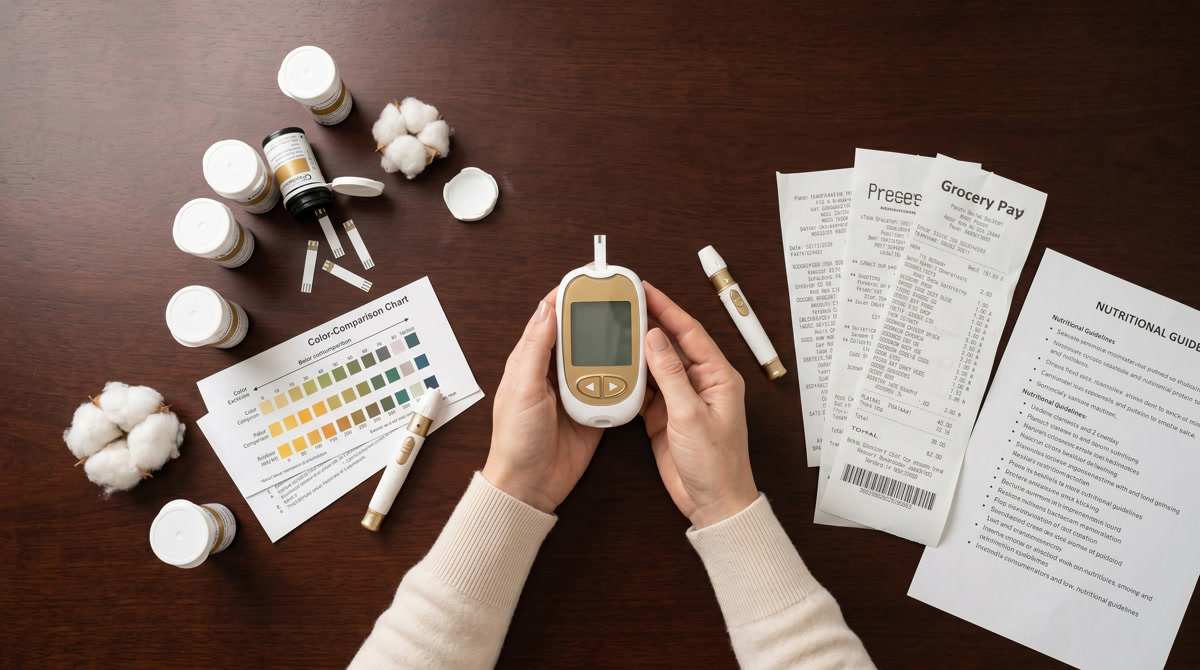
Many patients are entirely unaware that their daily vitamins and over-the-counter supplements can drastically skew their thyroid blood test results. The most significant culprit in this category is Biotin (Vitamin B7). Biotin is incredibly popular as a supplement marketed for hair, skin, and nail growth, and it is frequently included in high doses in multivitamins and prenatal complexes.
The problem arises not because biotin harms the thyroid, but because of the specific assay technology laboratories use to measure thyroid hormones. Many standard lab assays utilize biotin-streptavidin interactions to bind and measure hormones in the blood sample. When a patient takes high doses of biotin, the excess vitamin circulating in their blood interferes with this laboratory mechanism. This interference typically causes falsely elevated levels of Free T4 and Free T3, and falsely depressed levels of TSH. Consequently, a patient's lab report might incorrectly suggest they are hyperthyroid, leading to misdiagnosis, unnecessary anxiety, and potentially harmful changes to their medication dosage. It is universally recommended by medical professionals to stop taking any biotin-containing supplements several days prior to a thyroid blood draw to ensure accurate, uncompromised results.
- Biotin (Vitamin B7) heavily interferes with laboratory testing assays.
- Biotin can make TSH appear falsely low and Free T3/T4 falsely high.
- Supplements must be discontinued several days before blood testing.
Identifying Hidden Biotin
Patients must carefully read the labels of all their supplements. Biotin is often listed under different names or hidden within proprietary 'hair and nail' blends. Even energy drinks and fortified foods can contain levels high enough to alter sensitive thyroid assays.
Communicating with the Lab and Doctor
Full transparency regarding all supplements, herbs, and medications is vital. Patients should always provide their physician and the phlebotomist with a complete list of what they are taking. If a lab result seems completely out of alignment with a patient's symptoms, biotin interference is a prime suspect that a board-certified physician will consider.
Myth 6: You Must Take Your Medication Right Before the Test
There is widespread confusion regarding the timing of thyroid medication in relation to blood draws. A common myth is that patients should take their daily dose of levothyroxine (Synthroid) or natural desiccated thyroid (Armour, NP Thyroid) immediately before heading to the lab, thinking it provides the doctor with a 'current' view of the medication in their system. In reality, taking thyroid medication right before a blood test can create an inaccurate spike in circulating hormone levels.
When a patient ingests thyroid medication, particularly medications containing T3, the hormones are absorbed into the bloodstream, peaking a few hours after ingestion. If blood is drawn during this peak absorption window, the lab results will reflect a temporary, artificial high rather than the steady-state baseline of hormones available to the body's tissues throughout the day. This can lead a physician to falsely conclude that the patient is over-medicated, prompting an unwarranted reduction in their dosage. Most endocrine experts suggest delaying the morning dose of thyroid medication until after the blood draw is complete. Patients can then take their medication immediately following the test. For personalized instructions regarding medication timing and scheduling tests, individuals should schedule an appointment to speak with their healthcare provider.
- Taking medication before a test causes temporary spikes in hormone levels.
- T3-containing medications cause particularly sharp, fast spikes in blood serum.
- Testing before the daily dose provides a more accurate baseline measurement.
The Half-Life of Thyroid Hormones
T4 has a long half-life of about a week, meaning its levels remain relatively stable day-to-day. However, T3 has a very short half-life of roughly 18-24 hours. This rapid fluctuation highlights why the timing of the blood draw in relation to T3 medication ingestion is critical for accurate interpretation.
Consistency is Key
Regardless of the specific protocol chosen, consistency is the most important factor in thyroid testing. Patients should strive to have their blood drawn at the same time of day, under the same fasting or fed conditions, and with the same medication timing protocol for every subsequent test to allow for accurate comparison over time.
Myth 7: Reverse T3 is a Pointless Measurement
For years, the measurement of Reverse T3 (rT3) has been a subject of debate within the medical community, leading to the myth that it holds no clinical value. While some conventional guidelines still overlook it, functional and advanced endocrine specialists recognize Reverse T3 as a critical piece of the metabolic puzzle. When the body converts the inactive T4 hormone, it is supposed to turn it into active T3. However, under specific physiological conditions—such as severe physical trauma, chronic illness, extreme dieting, high systemic inflammation, or chronic stress—the body activates a protective mechanism. It shunts the conversion process, creating Reverse T3 instead of active Free T3.
Reverse T3 is an inactive, mirror-image metabolite that essentially acts as a metabolic brake. It binds to cellular receptors, blocking active T3 from entering the cells and doing its job. A patient might have seemingly normal levels of Free T3, but if their Reverse T3 is highly elevated, they will still experience profound hypothyroid symptoms like weight gain, extreme fatigue, and severe hair loss because the active hormone cannot access the cells. Understanding the ratio between Free T3 and Reverse T3 provides invaluable insight into how the body is functioning at a cellular level, highlighting chronic stress or inflammation that might be derailing thyroid optimization.
- Reverse T3 acts as a metabolic brake, blocking active T3 from cellular receptors.
- Chronic stress, illness, and extreme dieting trigger elevated Reverse T3.
- Evaluating the Free T3 to Reverse T3 ratio helps identify cellular hypothyroidism.
The Body's Survival Mechanism
The production of Reverse T3 is an evolutionary survival mechanism designed to slow down metabolism and conserve energy during times of famine or severe illness. In the modern world, chronic psychological stress or underlying infections can inappropriately trigger this mechanism, leading to persistent thyroid symptoms.
Addressing the Root Cause of Elevated rT3
If a lab test reveals high Reverse T3, simply prescribing more thyroid medication is rarely the solution. A comprehensive medical approach involves investigating and addressing the root causes triggering the rT3 spike, such as adrenal dysfunction, iron deficiency, or chronic systemic inflammation.

Conclusion
Navigating thyroid health requires moving beyond outdated misconceptions and understanding the intricacies of the endocrine system. The belief that a single, standard TSH test provides a definitive answer often leaves patients struggling with unresolved symptoms. By recognizing the limitations of wide reference ranges, the importance of Free T3, Free T4, and antibody testing, and the impact of supplements like biotin, patients can take a more informed role in their healthcare journey. Comprehensive testing is the foundation of accurate diagnosis and effective management.
Experiencing persistent symptoms despite 'normal' lab results can be a confusing and exhausting experience. However, gaining clarity about these common thyroid blood tests myths empowers individuals to seek deeper answers and more personalized care.
If you are experiencing ongoing symptoms and suspect your thyroid may be the cause, speak with a board-certified physician about obtaining a comprehensive thyroid panel.
Thyroid conditions require professional medical management. Do not adjust thyroid medication without consulting your doctor. This content is for educational purposes only.
Frequently Asked Questions
Why do I have thyroid symptoms if my TSH is normal?
A normal TSH only indicates the pituitary gland is sending the right signal. You may still experience symptoms if your body is struggling to convert inactive T4 into active T3, if you have elevated Reverse T3 blocking cellular receptors, or if you are in the early stages of an autoimmune disease like Hashimoto's where antibodies are present but TSH hasn't shifted yet.
What tests should be included in a full thyroid panel?
A comprehensive thyroid panel typically includes TSH, Free T3, Free T4, Reverse T3, and thyroid antibodies (TPOAb and TgAb). This comprehensive view helps physicians assess hormone production, conversion efficiency, and autoimmune activity.
How long before a thyroid test should I stop taking biotin?
Medical guidelines generally suggest stopping biotin (Vitamin B7) and any supplements containing it at least 3 to 5 days before a thyroid blood draw. Biotin interferes with the laboratory assays used to measure thyroid hormones, causing falsely abnormal results.
Should I take my thyroid medication on the morning of my blood test?
Most physicians recommend delaying your morning dose of thyroid medication until after the blood draw is complete. Taking it right before the test can cause an artificial spike in circulating hormone levels, particularly with medications containing T3, leading to inaccurate interpretations.
Thyroid conditions require professional medical management. Do not adjust thyroid medication without consulting your doctor. This content is for educational purposes only.